 1.png)
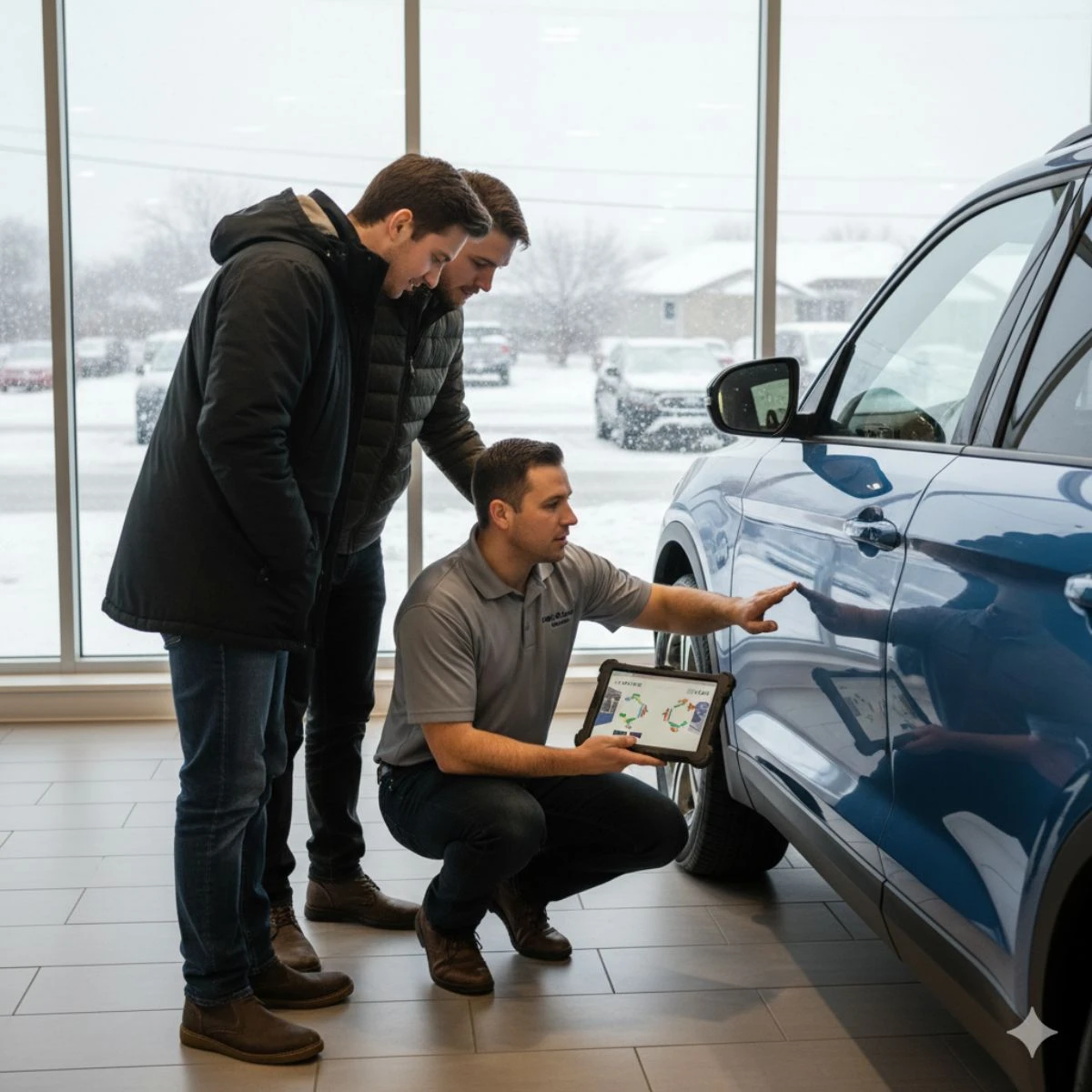
Navigating AWD vs. 4WD in a Used Car: What Long Island Buyers Need to Know Before Snow Flies
Key Takeaways
Winter weather on Long Island can turn commutes into challenges, making traction and control essential for safe driving. In this post, you’ll learn:
- The difference between AWD, 4WD, and FWD, and which suits your driving style best
- What to inspect before buying a used AWD or 4WD vehicle
- Common pitfalls and maintenance tips from dealership technicians
- How to get expert advice from trusted Smithtown car dealerships before winter arrives
At Certified Headquarters, we help Long Island drivers make confident, informed choices when shopping for cars for sale in Smithtown.
Understanding the Differences: AWD vs. 4WD vs. FWD
Before you buy, it’s essential to know what you’re paying for and how each drivetrain behaves in winter conditions.
| System | How It Works | Best For | Key Drawback |
|---|---|---|---|
| AWD (All-Wheel Drive) | Power automatically distributes to all four wheels as needed, enhancing traction on slippery roads. | Daily commuting, wet or snowy roads | Slightly lower fuel economy |
| 4WD (Four-Wheel Drive) | Power splits between front and rear axles; many systems switch between 2WD and 4WD modes. | Off-road use, deep snow, or rural terrain | More mechanical wear and higher service costs |
| FWD (Front-Wheel Drive) | Engine power sent to the front wheels only; lighter, simpler, and efficient. | Budget-conscious buyers and city driving | Reduced traction on ice or steep inclines |
Expert insight: On Long Island, where roads are generally maintained but prone to sudden snow and slush, AWD offers the best blend of safety and convenience for commuters.
Which Drivetrain Is Best for You?
Commuters & Families
AWD sedans or crossovers like the Subaru Legacy, Honda CR-V, or Toyota RAV4 provide confident traction without the fuel penalty of full-time 4WD.
Adventurers & Contractors
4WD trucks and SUVs—e.g., Jeep Wrangler or Ford F-150—handle snowdrifts and rough terrain with ease. Note the added maintenance and fuel usage.
City Drivers on a Budget
FWD vehicles (Honda Civic, Toyota Corolla, Hyundai Elantra) remain reliable for mild winters—just invest in a quality set of winter tires.
What to Inspect Before Buying a Used AWD or 4WD Vehicle
Buying used with an advanced drivetrain adds a few more checkpoints to your pre-purchase inspection. Ask a qualified technician to review:
- Differential Fluid: Verify fluid condition and check for leaks or burnt odor—both indicate neglect.
- Transfer Case Functionality: Ensure 4WD modes engage/disengage smoothly without grinding or clunks.
- CV Joints & Axles: Look for torn boots or clicking in turns; these are critical for safe power delivery.
- Tire Matching: Uneven sizes/wear can stress AWD; replace tires as a full set.
- Electronic Controls & Sensors: Scan for fault codes with an OBD-II tool before purchase.
What to Avoid: Buying a used AWD model without confirmed maintenance history. Differential and transfer-case fluid services should be documented every 30,000–50,000 miles. Skipping these can lead to costly failures.
Common FAQ: AWD & 4WD Systems for Long Island Buyers
Is AWD always better for winter?
Not necessarily. AWD helps in slippery commutes; 4WD excels in deep snow or unplowed conditions.
Do AWD vehicles need four new tires at once?
Yes. Uneven tire circumference strains the drivetrain—replace in full sets when needed.
Can I switch between AWD and 4WD manually?
Most AWD systems are automatic. 4WD typically requires manual or electronic engagement (lever or dial).
How often should I service my AWD system?
Inspect differential and transfer-case fluids every 30,000–40,000 miles, sooner with frequent winter use or towing.
Final Takeaway: Choose Confidence This Winter
Long Island winters demand preparation, not guesswork. Whether you’re commuting in Smithtown or heading to the Catskills, understanding your drivetrain can mean the difference between smooth traction and roadside trouble.
Explore our selection of cars for sale in Smithtown and talk to our team about the right AWD or 4WD vehicle for your lifestyle.
Ready to Drive with Confidence?